Ask a group of friends which song reminds them of a certain summer and you will often hear the same title. Music has a strange ability: it is deeply personal, yet it becomes the soundtrack of a whole group, a neighbourhood or a generation
From the bedroom to the crowd
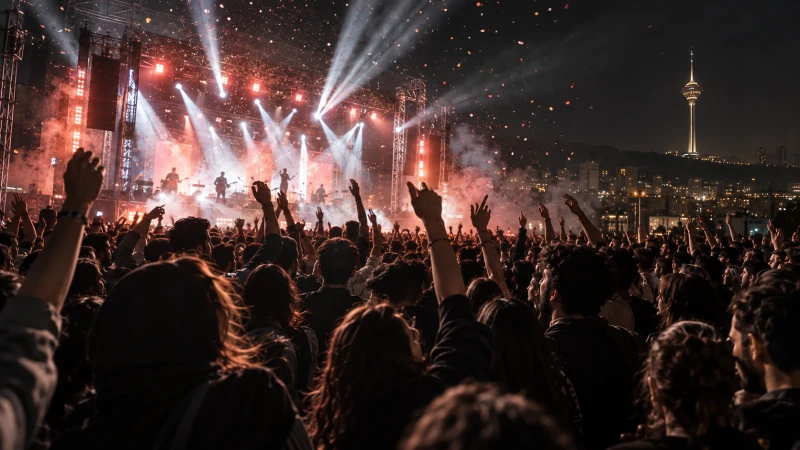
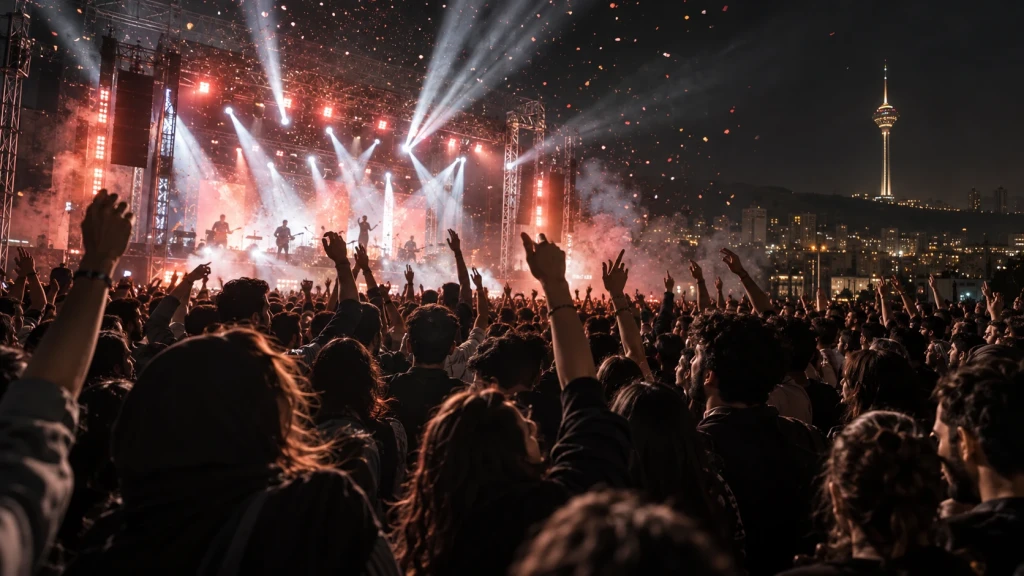
Most of us first meet a song alone, through headphones or on a car radio. It attaches itself to our own memories. Then, at a wedding, a concert or a gathering of friends, we discover that everyone around us knows the words. At that moment a private feeling becomes a shared one
Researchers who study music and society describe this as a kind of social glue. Singing together synchronises breathing and attention; for a few minutes a crowd behaves almost like one body
Songs as an archive
Music also keeps a record of its time. The lyrics of a generation reveal what it feared, what it hoped for and what it could only say indirectly. Years later, a melody can bring back a whole period of life more strongly than a photograph
When an old song starts playing, we do not only remember the song. We remember who we were when we first heard it
Where collective identity takes shape
- Concerts: thousands of people singing the same chorus
- Family gatherings: songs passed from parents to children
- The street: the music of shops, taxis and street musicians
- Online: playlists and short videos that spread a song in days
Independent music and new identities
Independent musicians play a special role. Free from the formulas of the mainstream, they often write about the experiences of smaller communities: a city, a neighbourhood, a group of friends. Over time these songs can become the voice of people who rarely hear themselves elsewhere
Technology has changed how these identities form. A song recorded in a bedroom can reach listeners in another country within days, and fans who will never meet build communities around a shared playlist. Yet the pattern is old: people still gather around the music that seems to describe their lives, and they still defend it as if it belonged to them. In a sense it does. A song that has been sung by thousands of voices no longer belongs only to the person who wrote it; it becomes common property, part of how a group remembers itself
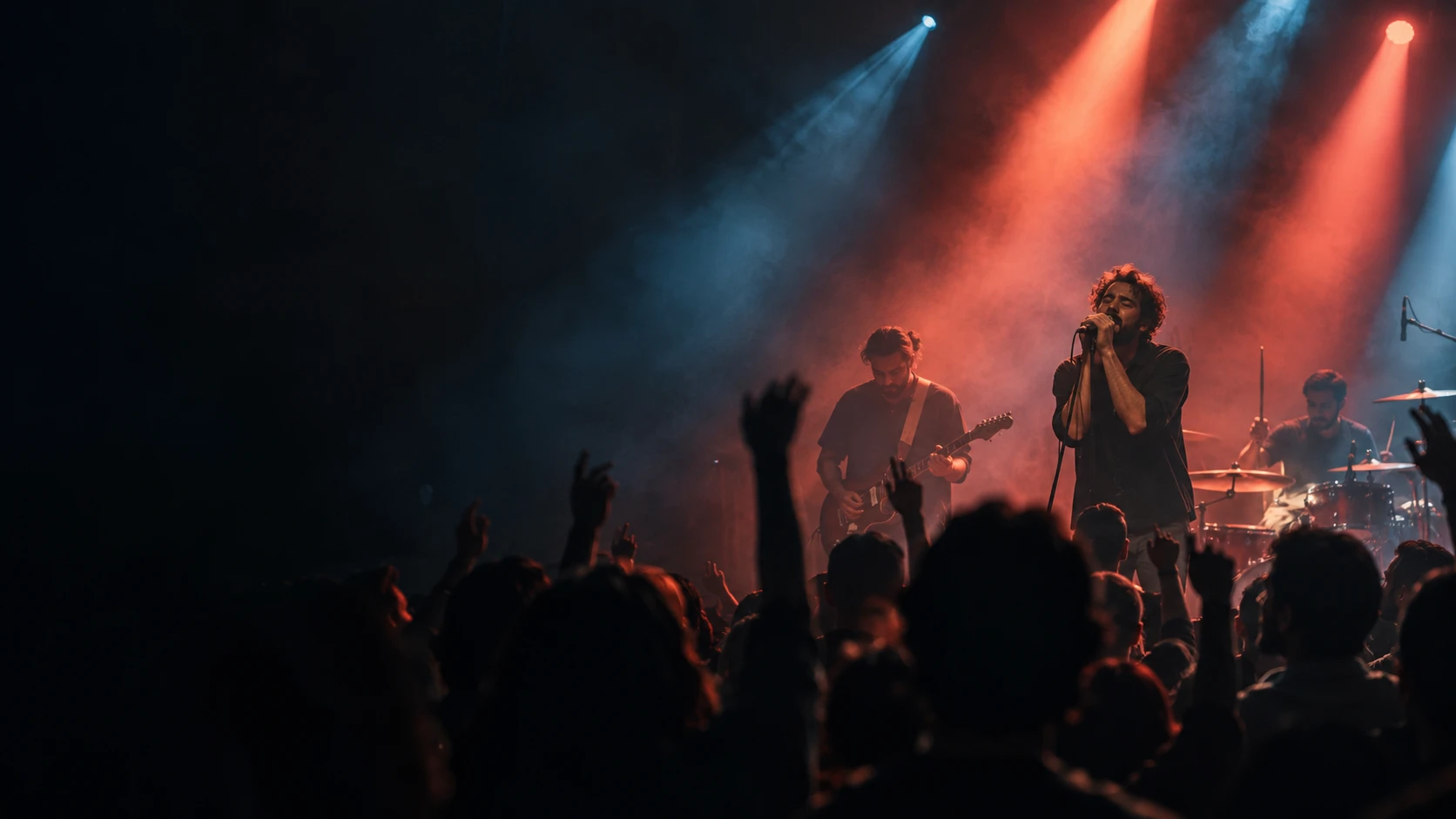
This is one reason small concerts matter so much. In a room of a hundred people, a band and its audience build an identity together, song by song
Music does not create collective identity on its own, but it gives that identity a sound. And a sound, once shared, is very hard to forget