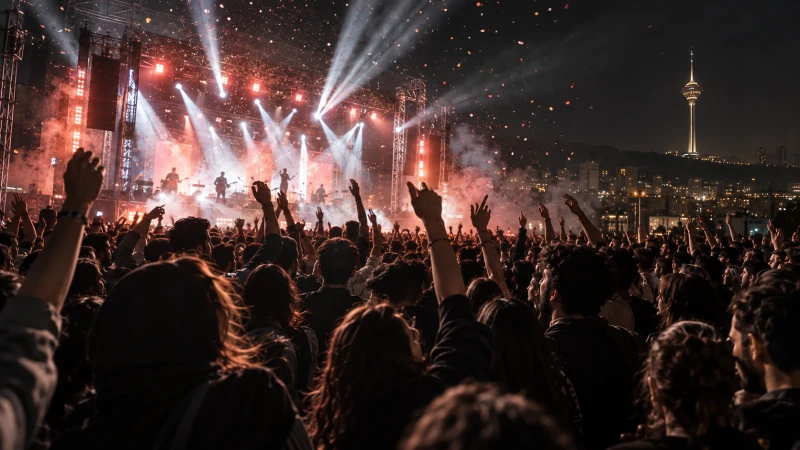
Ten years ago, buying a ticket for a concert or a play often meant a trip to the box office, a phone call to a friend who knew someone, or a queue on the first day of sales. Today most tickets are sold online, and the organisers of even small events know their audience better than ever. That change is only the beginning
Small venues, big influence
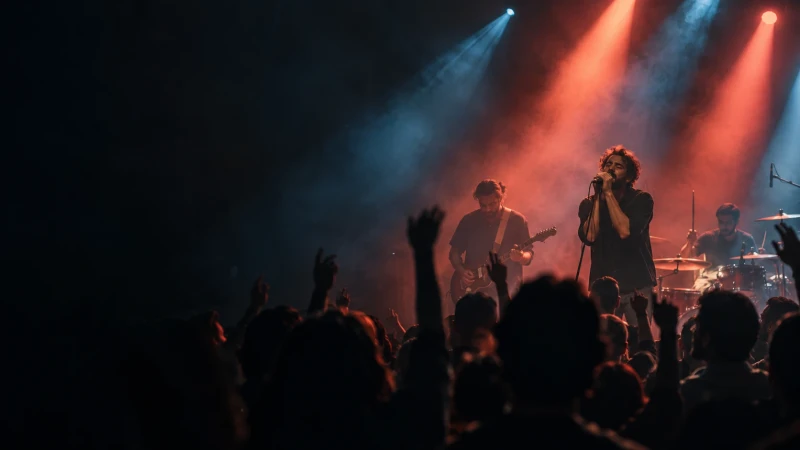
Alongside the large halls, a network of small venues has grown up: galleries that host concerts at night, cafés with a stage in the corner, old houses turned into cultural centres. These spaces take risks the large halls cannot. A young band plays its first show there; a new play finds its first audience there
For many artists these rooms are a school. They learn how to talk to an audience of fifty before they face an audience of a thousand
Audiences who want more than a seat
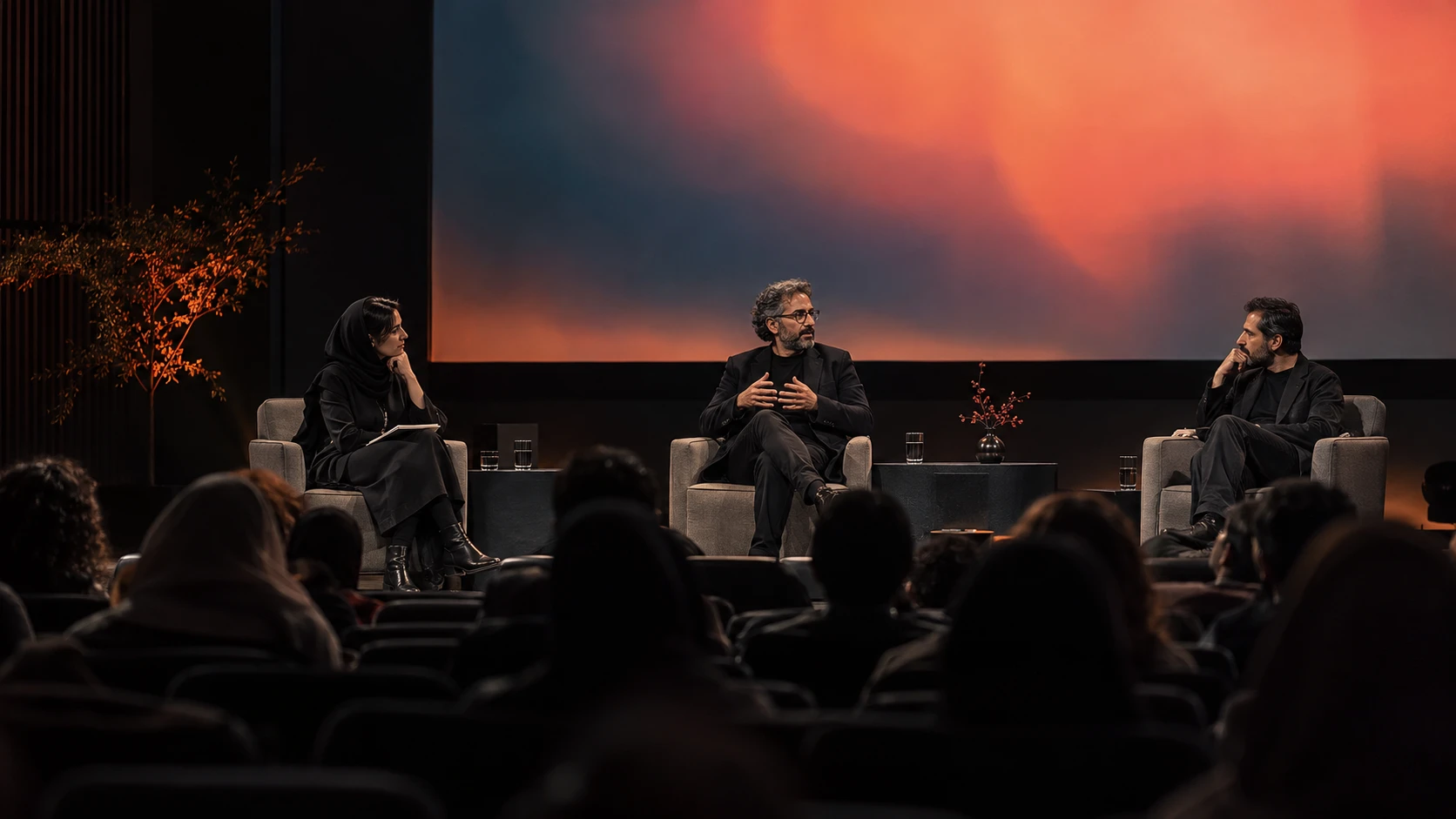
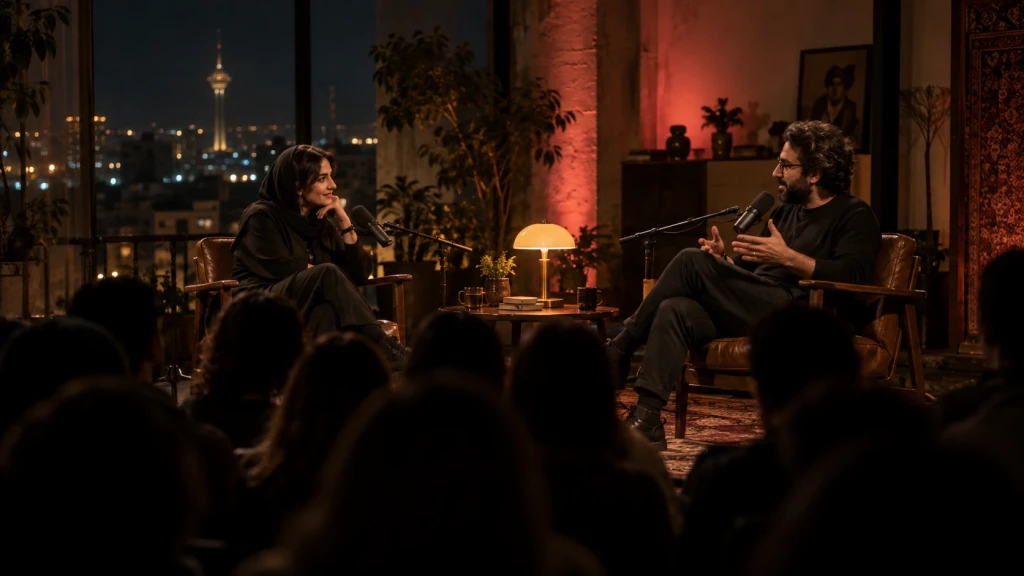
Today’s audiences want context. They want to watch a short interview with the director before the play, listen to a podcast with the band before the concert, and read about the history of a venue. An event no longer starts when the lights go down; it starts weeks earlier, online
The ticket is no longer the end of the relationship with the audience. It is the moment the relationship becomes real
Trends worth watching
- Digital tickets with QR codes replacing printed tickets
- Seat selection on a live map instead of “best available”
- Recorded talks and live podcasts that extend an event’s life
- Programmes for families and young audiences that build the audiences of the future
The challenges ahead
Not everything is simple. Production costs are rising, the number of suitable halls is limited, and many independent groups depend on a handful of loyal fans. Online platforms help with visibility, but visibility alone does not pay for rehearsals
There is also the question of geography. Most of the country’s cultural calendar is still concentrated in a few large cities, while audiences elsewhere travel for hours to see a single show. Touring productions, regional festivals and recorded talks can spread that energy more evenly, but they need partners on the ground: local venues, local media and organisers who know their own audience. When a play travels to a smaller city and sells out, it proves that the appetite was always there, waiting for someone to take it seriously
The answer may lie in collaboration: venues sharing audiences, media telling the stories behind events, and artists working with organisers who understand both art and logistics
The future of arts events will be decided by those who can keep the warmth of the live room while using the tools of the connected world. If that balance holds, the coming years could be some of the richest the scene has seen