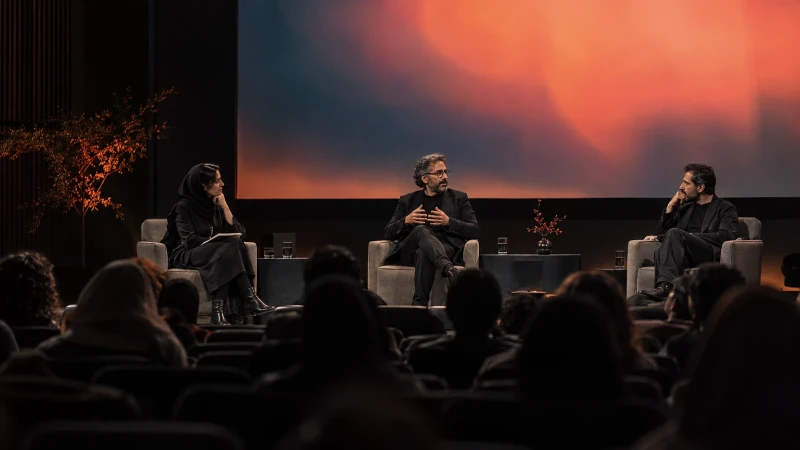
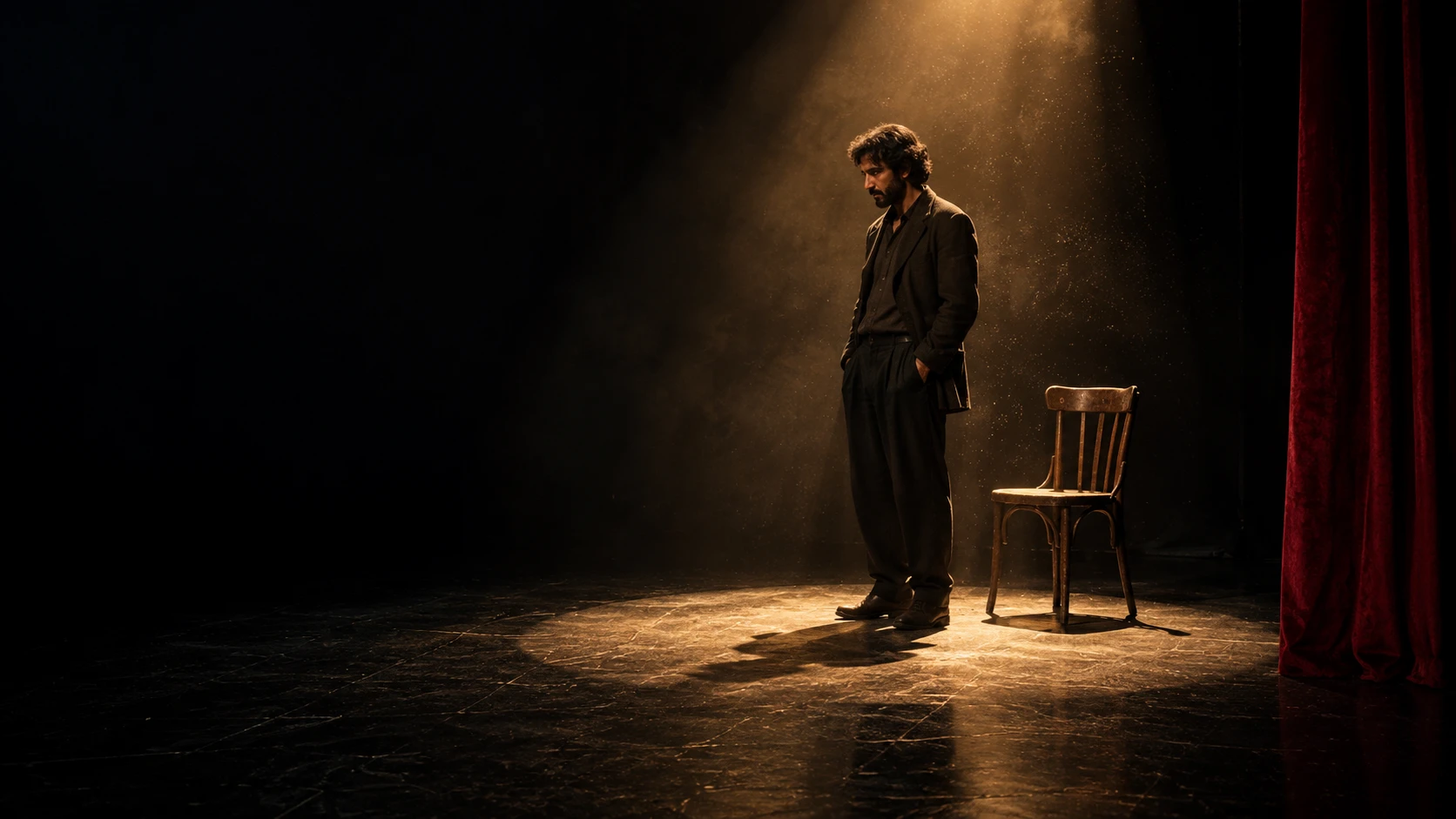
Theatre is one of the oldest art forms we have, and one of the most stubbornly physical. It needs a room, actors and an audience breathing the same air. So what happens to it when almost everything else in culture has moved onto screens?
The stage meets the camera
In recent years many companies have experimented with recording or streaming their performances. For some audiences, people in other cities or those who cannot afford a ticket, this is the only way to see a production at all. For others, a recorded play feels like a photograph of a meal: accurate, but missing the taste
Directors who work in both worlds often say the same thing. A camera chooses for the viewer where to look, while in a theatre each spectator edits their own version of the performance
New tools behind the curtain
Digital tools have changed more than how theatre is watched. Lighting is programmed on laptops, sound designers build entire worlds from samples, and rehearsals sometimes begin online before the cast ever meets in a room. Small companies use social media to find audiences that once only large theatres could reach
The technology is not the performance. It is the stagehand who makes the performance possible
What digital culture has given theatre
- Wider reach through recordings and trailers
- Cheaper, more flexible light and sound design
- Direct relationships with audiences online
- Easier ticketing, including seat selection and digital tickets
The value of being in the room
And yet the heart of theatre has not moved. The tension of a live scene comes from the possibility that something might go wrong, and from the knowledge that the actors can see and hear us too. That shared risk cannot be streamed
Some companies have found a middle path. They treat the recording not as a copy of the play but as a separate work, shot with its own camera plan and edited with the same care as a short film. Others use the screen only for what happens around the performance: rehearsal diaries, interviews with the cast, short clips that invite people to the theatre rather than replace the visit. In both cases the lesson is the same. Digital tools work best when they respect the difference between being told about a performance and being present at one
Perhaps the digital age has made theatre more precious rather than less. In a world full of recorded images, an evening in which something happens only once, only for the people present, has become rare. Rare things are worth leaving the house for