For the audience a festival lasts a few days: films, conversations, a crowded lobby. For the organisers it lasts most of the year. An independent short film festival is a small machine with many moving parts, almost all of them run by volunteers
It starts with a call for films
Months before opening night the festival publishes its call for submissions. Hundreds of short films arrive: fiction, documentary, animation and experiments that fit no category. A selection committee watches every one of them, often more than once
“The hardest part is saying no,” one programmer admits. “Many films are good. Only a few fit together into a programme that tells a story over three days.”
Finding a home
An independent festival rarely owns its venue. The team negotiates dates with a cinema, checks projection formats, tests sound and plans how the audience will move between screenings. A cinema campus with several halls makes parallel programmes possible; a single hall forces difficult choices
A festival is a promise to the filmmakers: your film will be seen on a big screen, by people who chose to be there
The festival checklist
- Programme blocks and screening order
- Ticket types: day tickets and full passes
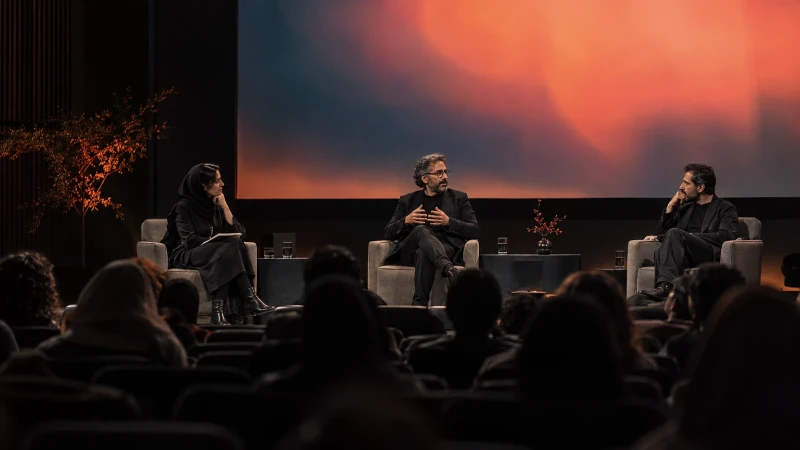
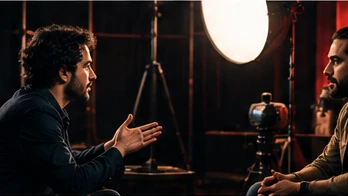
- Conversations with filmmakers after each block
- Volunteers for the door, the lobby and the projection booth
- Subtitles, so films can travel beyond their language
The audience is the last piece
Selling tickets for short films is a challenge: audiences know feature films and stars, not names they have never heard. Festivals answer with context. Trailers, interviews with directors and podcasts about the programme give people a reason to come
Money is the constant worry. Ticket income rarely covers the full cost of a festival, so organisers combine small sponsorships, support from cultural institutions and a great deal of unpaid work. Every decision is a trade-off: a better projector or a second guest, longer opening hours or a printed programme. The festivals that survive are usually the ones that stay honest about their size. They do not try to imitate the large international events; they build a programme that suits their city and an atmosphere where filmmakers and audiences actually talk to each other
When the lights finally go down on opening night, the organisers usually stand at the back of the hall. They have seen every film many times. What they watch now is the audience, because that is the moment months of work become real
An independent festival comes together through stubbornness, generosity and a shared belief that small films deserve big screens